Phone (443) 296-2866

Scale Pose
Michelle Dhanoa | SEP 1, 2025
Scale Pose (Tolasana): Balance, Strength, and Stillness in One
Disclaimer: This blog post is for educational purposes only and is not intended to be used as medical advice. Always consult with a qualified yoga instructor or healthcare provider before beginning new poses, especially arm balances.
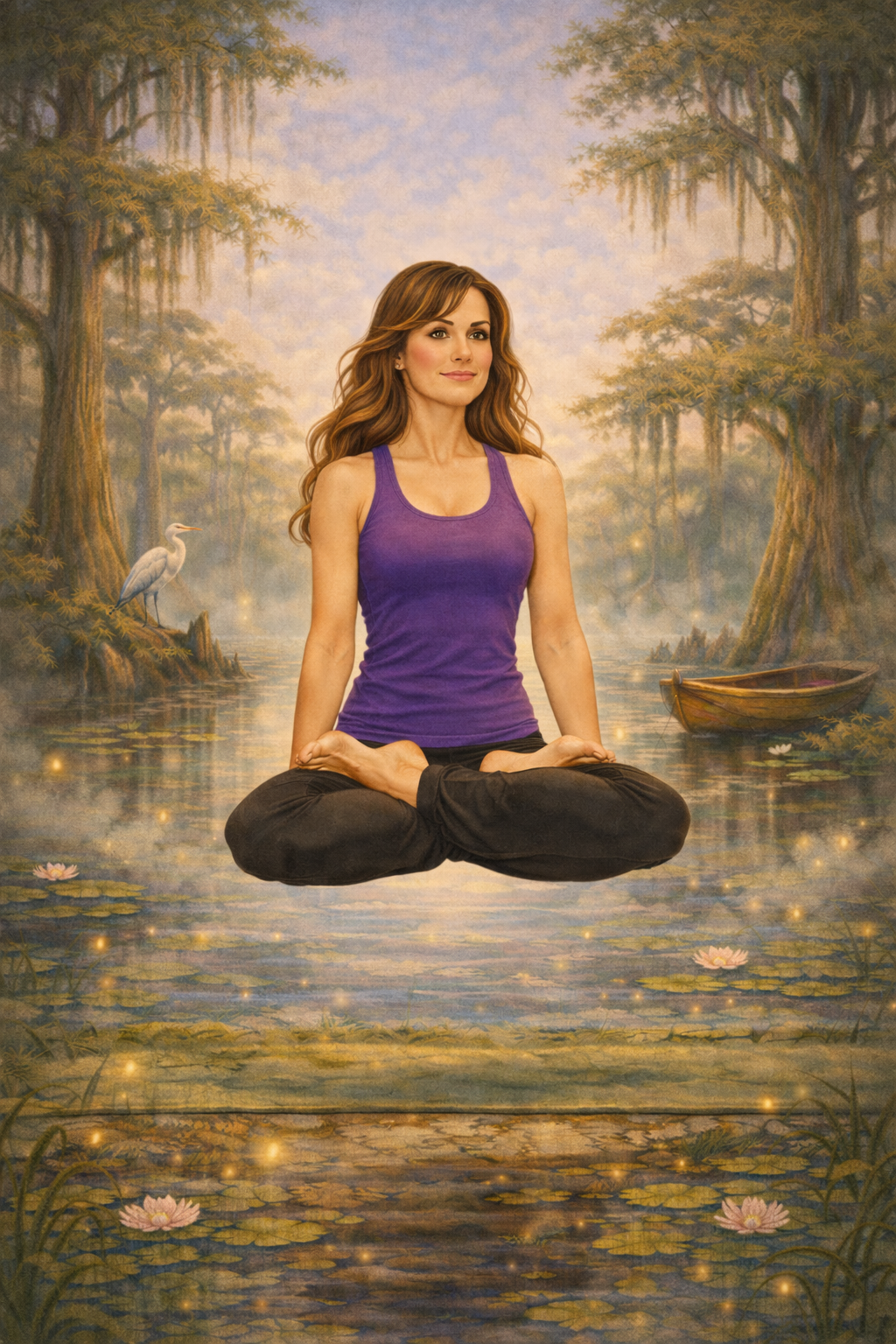
Pose Overview
Pose Name: Scale Pose
Sanskrit Name: Tolasana (तोलासन)
Experience Level: Intermediate
Intensity Level: Moderate to High
Pose Type: Arm balance, core strengthener, seated posture
Derived from the Sanskrit word "tula", meaning "scale" or "balance," Tolasana evokes a sense of measured poise—both physically and mentally. It requires strong abdominal engagement and upper body strength to lift the body from a seated posture and hold it in still suspension.
Body Position
In Tolasana, the practitioner begins in a seated pose—traditionally Lotus Pose (Padmasana)—then places the palms on the ground beside the hips, presses down, engages the core, and lifts the entire body off the floor, balancing on the hands.
Precautions
Avoid or modify Scale Pose if you have:
Wrist, elbow, or shoulder injuries
Low back pain or herniated discs
Hip or knee issues, especially if you can’t safely sit in Lotus
Carpal tunnel syndrome
Recent abdominal surgery
Always warm up the wrists and shoulders, and avoid forcing Lotus if it causes knee discomfort.
Preparatory Poses
To prepare the body for Tolasana, work on flexibility and strength with:
Lotus Pose (Padmasana) or Cross-Legged Pose (Sukhasana)
Boat Pose (Navasana) – core strength
Plank Pose – arm and shoulder stability
Staff Pose (Dandasana) – foundational seated alignment
Downward-Facing Dog (Adho Mukha Svanasana) – wrist prep
Description (How to Do It)
Begin seated in Padmasana (or Sukhasana as a modification).
Place your palms on the floor beside your hips, fingers pointing forward.
Inhale deeply, engage your abdominal muscles, and press firmly into the palms.
Lift your hips and legs off the ground, balancing entirely on your hands.
Keep your chest lifted, spine long, and shoulders away from the ears.
Hold the pose for 3–10 breaths. Gently exhale and lower down with control.
Props
Yoga blocks under the hands to increase leverage and make lifting easier
Blanket under the knees or hips for support
Strap or cushion under the thighs if you’re practicing a modified seated position
Variations
Sukhasana Tolasana: Perform the pose in a simple cross-legged seat
Half-Lotus Tolasana: Only one foot is in Lotus while the other rests beneath
Dynamic Tolasana: Try short pulses—lifting and lowering with breath
Leg-Extended Tolasana: In advanced versions, legs are lifted and extended out (requires deep core strength)
Modifications
If lifting both legs is challenging, try lifting just the hips or one foot at a time
Use yoga blocks to elevate the hands and reduce wrist strain
Sit in Sukhasana instead of Lotus to reduce knee and hip stress
Counter Poses
Follow Scale Pose with poses that release the wrists and hips:
Seated Forward Fold (Paschimottanasana)
Bound Angle Pose (Baddha Konasana)
Reclining Twist (Supta Matsyendrasana)
Wrist circles and shoulder rolls
Child’s Pose (Balasana)
Potential Benefits
Strengthens the arms, wrists, shoulders, and core
Improves balance, control, and coordination
Builds mental focus and confidence
Enhances awareness of breath and muscular engagement
Tones abdominal organs and aids digestion
Energizes the body and prepares for deeper arm balances
Joint Motion Involved
Shoulder extension and stabilization
Elbow extension (with isometric contraction)
Hip external rotation and flexion (especially in Lotus)
Knee flexion
Wrist extension and weight-bearing
Primary Contracted Muscles
Deltoids, triceps, and forearm flexors (arm strength)
Rectus abdominis and transverse abdominis (core lift)
Hip flexors – lift legs in seated position
Quadriceps – hold leg shape in Lotus
Supporting Muscles
Latissimus dorsi and serratus anterior – shoulder stabilization
Spinal erectors – maintain upright posture
Glutes and hip rotators – support leg position
Wrist extensors – resist collapse under pressure
Final Thoughts
Tolasana may appear simple, but it’s a subtle and potent challenge in strength, stillness, and control. It reminds us that lightness is born from stability, and strength doesn’t always shout—it often holds quietly. Whether you're floating just an inch off the mat or hovering high with grace, each lift in Scale Pose is an act of mindfulness and power.
Reminder: Yoga is a complementary wellness practice. If you experience pain, medical conditions, or ongoing issues, seek professional medical advice.
Michelle Dhanoa | SEP 1, 2025
Share this blog post


© 2026 Michelle Dhanoa