Phone (443) 296-2866

Wild Thing Pose
Michelle Dhanoa | SEP 1, 2025
Wild Thing Pose
Wild Thing Pose is an expressive backbend and heart opener that cultivates strength, flexibility, and a sense of freedom in your yoga practice.
⚠️ Disclaimer: This post is for informational purposes only and is not intended as medical advice. Consult a healthcare professional before practicing if you have any health concerns.
Pose Name
Wild Thing Pose
Sanskrit Name
Camatkarasana
Experience Level
Intermediate to Advanced
Intensity Level
High
Body Position
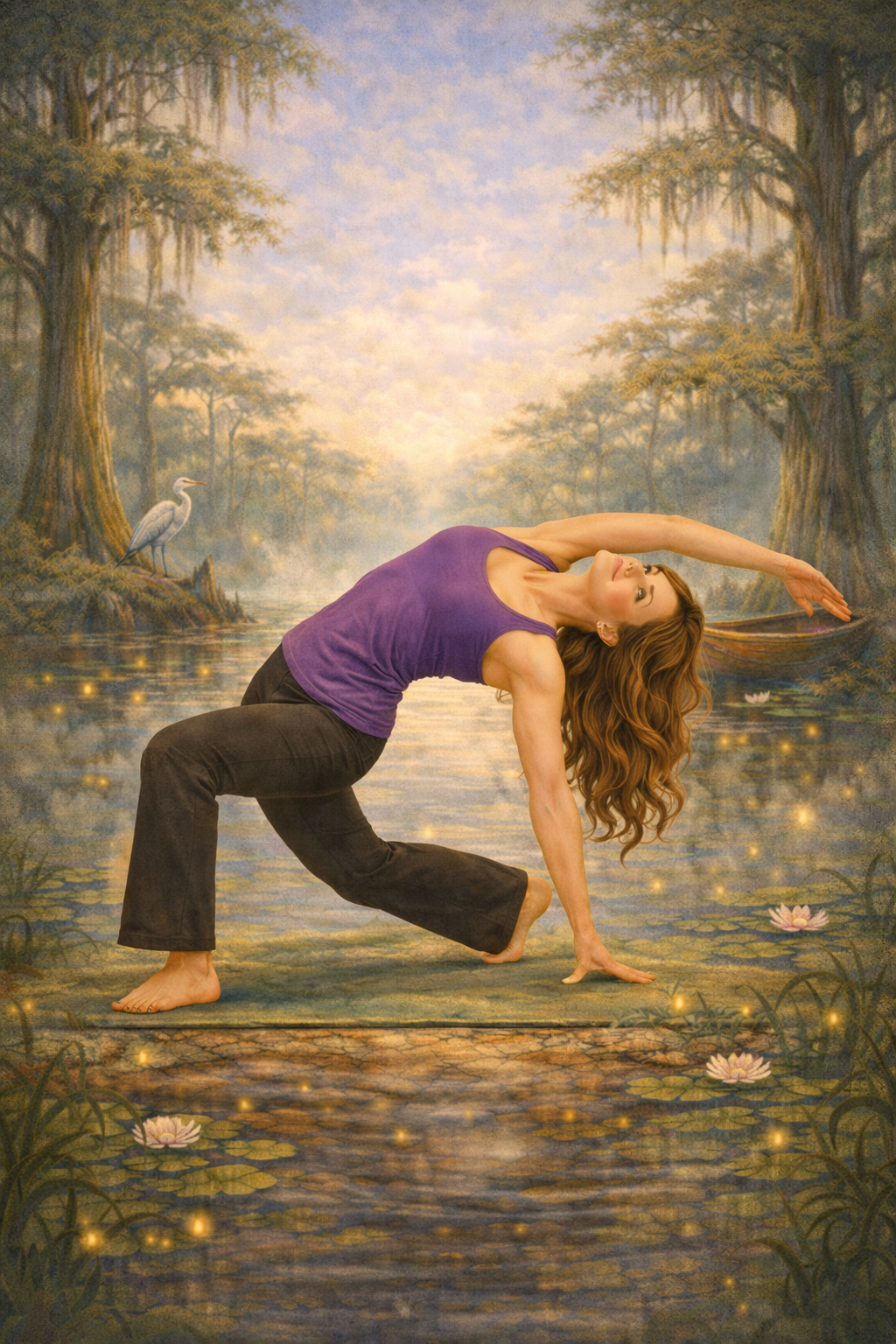
A dynamic backbend that involves lifting the hips and chest off the ground while one hand and foot support the body, with the other arm extended overhead and the opposite leg extended back.
Precautions
Avoid or modify if:
You have wrist, shoulder, or lower back injuries
You have neck pain or discomfort
You have high blood pressure or heart conditions
You are pregnant (consult your healthcare provider)
Preparatory Poses
Downward-Facing Dog (Adho Mukha Svanasana)
Side Plank (Vasisthasana)
Upward-Facing Dog (Urdhva Mukha Svanasana)
Bridge Pose (Setu Bandhasana)
Description
Start in Downward-Facing Dog.
Shift your weight onto your right hand and outer edge of the right foot.
Press firmly into your right hand, lift your left leg high behind you.
Flip your left foot over and land it softly on the floor behind you.
Lift your hips and chest up toward the ceiling, reaching your left arm overhead and back.
Gaze can be directed up or back toward the extended hand.
Hold for several breaths, then carefully release and switch sides.
Props
Yoga blocks for support under the hand if wrist flexibility or strength is limited
Blanket or mat for cushioning
Variations
Modified Wild Thing with lower hip lift for less intensity
Wild Thing with bent knee for easier balance
Using wall support for stability during the lift
Modifications
Keep the lifted leg bent if extending it fully is difficult
Use a block under the hand for extra height and support
Practice near a wall for balance assistance
Counter Poses
Child’s Pose (Balasana)
Downward-Facing Dog (Adho Mukha Svanasana)
Seated Forward Bend (Paschimottanasana)
Potential Benefits
Opens the chest, shoulders, and hips
Strengthens arms, wrists, back, and core
Improves balance and coordination
Boosts energy and mood
Enhances spinal flexibility
Joint Motion
Spinal extension and backbend
Shoulder external rotation and stabilization
Hip extension and abduction
Wrist extension and stabilization
Primary Contracted Muscles
Deltoids
Triceps brachii
Gluteus maximus
Erector spinae
Core muscles (obliques and abdominals)
Supporting Muscles
Hamstrings
Quadriceps
Latissimus dorsi
Forearm muscles
Final Thoughts
Wild Thing Pose is a vibrant posture that encourages strength, openness, and playfulness. Practice mindfully, focusing on control and breath, to fully enjoy its benefits.
🧘♀️ Tip: Engage your core and press actively through your supporting hand and foot for stability.
⚠️ Medical Note: This information is not intended as medical advice. Always consult a healthcare professional before starting any new exercise routine.
Michelle Dhanoa | SEP 1, 2025
Share this blog post


© 2026 Michelle Dhanoa